

The Future of Large Scale Farming in Africa: Challenges and Opportunities
Large scale farming in Africa holds significant promise for transforming the continent’s agricultural landscape. With vast arable land, a growing population, and increasing demand for food, large scale farming could boost food security, create jobs, and drive economic growth. Yet, this potential comes with a set of complex challenges that must be addressed to unlock sustainable success. This article explores the current state of large scale farming in Africa, the obstacles it faces, and the opportunities that lie ahead.

Current Landscape of Large Scale Farming in Africa
Large scale farming in Africa differs widely across regions due to climate, soil types, infrastructure, and government policies. Countries like South Africa, Kenya, Nigeria, and Ethiopia have seen significant investments in commercial agriculture. These farms often focus on staple crops such as maize, wheat, and rice, as well as export crops like coffee, cocoa, and cotton.
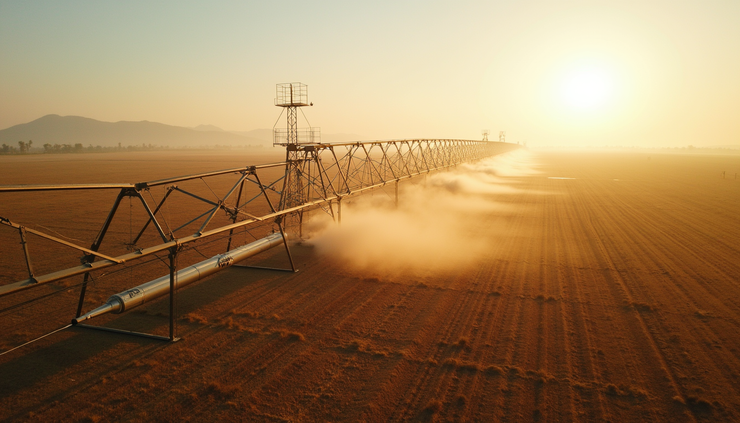
Many large farms use mechanized equipment and modern farming techniques to increase yields. For example, in Kenya, large scale maize farms use tractors and combine harvesters, which reduce labor costs and improve efficiency. Similarly, South Africa’s commercial farms employ advanced irrigation and pest control methods to maximize production.
Despite these advances, large scale farming still accounts for a small portion of Africa’s total agricultural output. Smallholder farmers dominate the sector, producing most of the food consumed locally. However, large scale farms are growing in number and size, driven by private investors, agribusinesses, and government initiatives.
Challenges Facing Large Scale Farming in Africa
Large scale farming in Africa faces several hurdles that limit its growth and sustainability. Understanding these challenges is crucial for developing effective solutions.
Land Access and Ownership
One of the biggest challenges is securing land for large scale farming. Land tenure systems in many African countries are complex, with overlapping customary and statutory rights. This creates uncertainty for investors and farmers alike. In some cases, large farms have displaced smallholder communities, leading to social tensions and conflicts.
Infrastructure Deficits
Poor infrastructure hampers the efficiency of large scale farms. Many farms lack access to reliable roads, storage facilities, and processing plants. This increases post-harvest losses and limits market access. For example, in Nigeria, inadequate rural roads make it difficult to transport crops to urban centers, reducing profitability.
Water Scarcity and Climate Change
Water availability is a critical issue for large scale farming. Many regions in Africa experience irregular rainfall and droughts, which threaten crop yields. Climate change is expected to worsen these conditions, making water management essential. Large farms often require irrigation, but water resources are limited and competition with other users is intense.
Access to Finance and Technology
Large scale farming requires significant capital investment in land, machinery, seeds, and fertilizers. Many African farmers struggle to access affordable credit due to high interest rates and lack of collateral. Additionally, technology adoption remains low in some areas, limiting productivity gains.
Environmental Concerns
Large scale farming can lead to environmental degradation if not managed sustainably. Issues include soil erosion, deforestation, and loss of biodiversity. Without proper practices, these farms risk damaging the natural resources they depend on.
Opportunities for Growth and Development
Despite the challenges, large scale farming in Africa offers numerous opportunities that can drive agricultural transformation.
Government Support and Policy Reforms
Several African governments are introducing policies to support large scale farming. These include land reforms to clarify ownership, subsidies for inputs, and investment in rural infrastructure. For example, Ethiopia’s Agricultural Transformation Agency works to improve land registration and provide extension services to commercial farms.
Adoption of Modern Technologies
Technology can boost productivity and sustainability in large scale farming. Precision agriculture tools, such as drones and satellite imaging, help monitor crop health and optimize input use. Improved seed varieties and mechanization also increase yields. Countries like South Africa and Kenya are leading in adopting these technologies.
Public-Private Partnerships
Collaboration between governments, private investors, and development organizations can mobilize resources and expertise. Public-private partnerships have supported large scale farming projects that improve infrastructure, provide training, and facilitate market access. For instance, the Alliance for a Green Revolution in Africa (AGRA) partners with local governments and businesses to scale up commercial farming.
Export Market Potential
Large scale farms can tap into growing global demand for African agricultural products. Export crops such as coffee, cocoa, and horticultural products offer high-value opportunities. Expanding these markets can generate foreign exchange and create jobs.
Sustainable Farming Practices
Integrating sustainable practices can protect the environment and ensure long-term productivity. Techniques such as conservation agriculture, agroforestry, and integrated pest management reduce negative impacts. Large farms adopting these methods can serve as models for the wider sector.
Case Studies of Large Scale Farming Success
Olam International in Nigeria
Olam International operates large scale farms in Nigeria producing rice, cocoa, and cashew nuts. The company invests in mechanization, training, and infrastructure. Their rice project in the Niger Delta has increased local production and reduced imports, benefiting farmers and consumers.
Kenya’s Large Scale Maize Farms
In Kenya, commercial maize farms have adopted mechanized planting and harvesting. These farms supply both local markets and regional exports. The use of improved seed varieties and fertilizers has boosted yields from 1.5 tons per hectare to over 4 tons per hectare in some cases.
South Africa’s Citrus Industry
South Africa’s large scale citrus farms export fruit worldwide. These farms use advanced irrigation and pest control methods to maintain quality. The industry supports thousands of jobs and contributes significantly to the economy.
Steps to Support Large Scale Farming in Africa
To realize the full potential of large scale farming, stakeholders should focus on:
Improving land tenure systems to provide clear, secure rights for farmers and investors.
Investing in rural infrastructure such as roads, storage, and processing facilities.
Expanding access to affordable finance tailored to agricultural needs.
Promoting technology adoption through training and subsidies.
Encouraging sustainable farming practices to protect natural resources.
Strengthening market linkages to connect farmers with buyers locally and internationally.

The future of large scale farming in Africa depends on addressing these challenges while seizing emerging opportunities. By building strong partnerships, investing in technology, and supporting farmers, the continent can increase food production, improve livelihoods, and contribute to global food security. The journey requires commitment and innovation, but the rewards can be transformative for Africa’s agricultural sector and its people.


Comments